How to Get a Schengen Visa in 2026: Complete Guide

Imagine stepping off a plane in Paris, taking a train to Amsterdam, then driving to Berlin, all without showing your passport at internal borders. That's the Schengen Area, one of the largest open-border zones in the world. For travelers from many countries outside it, a Schengen visa is what makes that trip possible.
This guide covers what you actually need: whether you need a visa, which type, what documents to bring, how the application process works, what it costs, and what's genuinely changing in 2026 rather than what sounds like it might be.
What's Actually Changing in 2026
Two real changes are worth knowing about, and one commonly repeated claim isn't accurate right now.
The EU Visa Application Platform (digitalization). Regulation (EU) 2023/2667, adopted in November 2023, establishes a single online platform for Schengen visa applications regardless of which member country you're applying to. Per the European External Action Service, the platform is expected to become operational around 2028, and individual member states can choose not to use it for up to seven years after that launch date. In other words, this is a real, multi-year transition, not something completing by the end of 2027. Check the platform's status for your specific destination country before assuming a digital-only process.
ETIAS is not yet live. You may have read that travelers from visa-exempt countries (the US, UK, and others) will need to register with ETIAS before entering the Schengen Area starting in late 2026. That date has actually been removed; the EU quietly dropped its late-2026 target, and the official ETIAS portal now states the system is not in operation, with 2027 the more realistic earliest launch based on current reporting. If you're planning travel in the near term, you don't need to register for anything yet, and you should verify current status directly before your trip since this has already shifted more than once.
Schengen insurance minimum stays at €30,000. This page previously stated the minimum was rising to €50,000. I couldn't find any source for that, and the actual current requirement, under Article 15 of the Schengen Visa Code, is still €30,000 in medical and repatriation coverage. Our dedicated Schengen insurance guide covers the full requirement in depth.
Who needs a Schengen Visa?
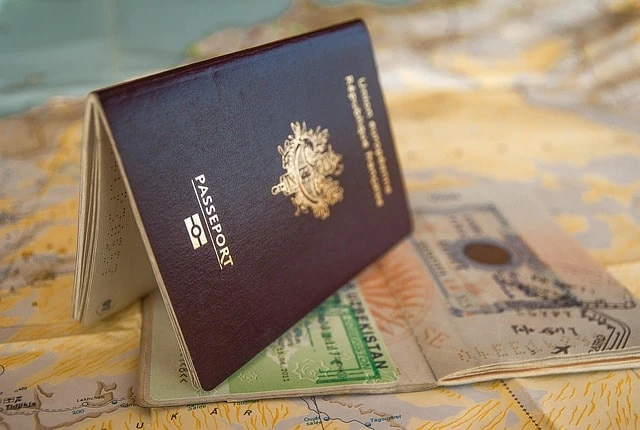
The Schengen Area isn't just a geographic region; it's a managed zone with shared external borders and a common visa policy across 27 countries. Whether you need a visa depends on your nationality, not your destination within the zone.
You'll generally need a Schengen visa if:
- You're from a country that isn't on the EU's visa-exempt list (check the official list)
- You're planning to stay in the Schengen Area for up to 90 days within any 180-day period
- You're traveling for tourism, business, or family visits
- You're transiting through certain countries' airports and hold a nationality that requires an airport transit visa
If your passport is visa-exempt (the US, UK, and others), you don't need a Schengen visa for short stays today. That may eventually require an ETIAS registration too, but not yet, see above.
Types of Schengen Visas
Different travel purposes require different visa categories, and applying under the wrong one is a common, avoidable cause of delay:
-
Tourist Visa (Type C): For holidays and sightseeing across multiple Schengen countries like France, Germany, Greece, Hungary and other participating countries
-
Business Visa: For professional meetings and conferences in EU countries
-
Visit Visa: For visiting family or friends in member states
-
Transit Visa: For passing through Schengen airports and internal borders
-
Medical Visa: For medical treatment in any Schengen Area countries
-
Study Visa: For short courses or seminars within the European Union
-
Cultural and Sports Events Visa: For participating in cultural or sporting events across Schengen countries
-
Official Visit Visa: For government-related visits involving foreign affairs
If your itinerary includes anything beyond straightforward tourism, a conference, a short course, a paid event, choose the visa category that actually matches, rather than defaulting to tourist. A mismatch between your stated purpose and your actual activities is something border officials are specifically trained to catch.
Required Documents for 2026
Think of your document package as the evidence for your application: who you are, why you're traveling, how you'll support yourself, where you'll stay, and why you'll return home. Missing or inconsistent documents create gaps that raise questions.
-
Valid passport: Must be valid for at least 3 months beyond your planned return date and issued within the last 10 years* Filled and signed visa application form: Available online through EU VAP (for participating countries) or through traditional channels
-
Recent photo: 3.5 x 4.5 cm with light background (digital version for EU VAP applications)
-
Travel insurance: Minimum €30,000 for medical emergencies, hospitalization, and repatriation; see our full insurance guide for what embassies actually check
-
Return flight ticket: Showing entry and exit dates, our guide to visa-compliant flight reservations covers your options without buying a non-refundable ticket before approval
-
Hotel booking or accommodation proof: For your entire stay across Schengen countries like Austria, Belgium, Bulgaria, Croatia, Czechia, Denmark, Estonia, Finland, France, Germany, Greece, Hungary, Iceland, Italy, Latvia, Liechtenstein, Lithuania, Luxembourg, Malta, the Netherlands, Norway, Poland, Portugal, Romania, Slovakia, Slovenia, Spain, Sweden, Switzerland
-
Bank statement: typically covering the last 3 to 6 months, showing sufficient funds. Minimum amounts vary by destination country rather than a single EU-wide figure, check your specific embassy's published requirement rather than assuming a flat per-day number
-
Employment certificate: From the employer stating position, salary, and approved leave
-
Itinerary: Day-by-day plan of your visit showing how you’ll travel freely between participating countries
-
Cover letter: Explaining the purpose of the visit and itinerary details
-
Evidence of ties to your home country: to support your intent to return
How to apply
The application process is designed to be thorough, not fast. Consulates process a high volume of applications, and each step depends on the last, so timing matters.
-
Choose Your Visa Type: Based on your travel purpose within the European Union
-
Find the Correct Embassy: Apply at the embassy of your main destination among the Schengen countries (where you’ll spend the most days)
-
Check EU VAP Availability: Some EU member states will start using the digital platform in 2026
-
Gather Documents: Collect all required paperwork according to embassy requirements and Schengen rules
-
Book Appointment: Through the official visa application center (VAC) or EU VAP
-
Pay Application Fee: Using the approved payment methods by law enforcement agencies
-
Submit Application: In person for systematic border checks and biometric data collection for the Schengen Information System (if not already in the system)
-
Track Application: Through the online portal of the member states
-
Collect Passport/Digital Notification: Once approved, collect a physical visa or receive a digital confirmation to travel freely between participating countries
Start this process 8 to 12 weeks before your planned travel date, longer during peak season (summer months, December holidays) or if your situation is more complex, a family application, a business trip requiring extra documentation, or a first-time applicant with no prior travel history. Don't book non-refundable flights or accommodation before your visa is approved.
Processing Time and Fees

Visa processing is governed by the official timelines of the Schengen Borders Code, not your personal preferences. Even the most compelling personal circumstances rarely accelerate the process beyond the standard timeframes. Consular staff processing applications from third countries must follow strict protocols for document verification, background checks, and consultation with border guards or other member states when necessary. Don’t forget to include these processing times and fees in your overall travel budget and timeline.
-
Standard processing: 15 calendar days
-
Extended processing: Up to 30 days (common during peak season)
-
Exceptional circumstances: Up to 60 days (rare cases requiring additional verification)
-
Fee: €90 for adults, €45 for children aged 6 to 12, free for children under 6 (current since June 2024)
-
Service fees: Additional charges may apply when using Visa Application Centers
-
Premium processing: Visa Application Centers often add €30 to €50 on top of the embassy fee, bringing the realistic total closer to €120 to €150 for many applicants
Tips for Success
The difference between approval and rejection often comes down to preparation and attention to detail. By breaking down the application into each requirement and anticipating the questions of the consular staff, a daunting task can be turned into a manageable one and minimize stress. Boost your chances of approval with these strategies:
- Apply with buffer, 8 to 12 weeks out covers most cases, more during peak season
- Check destination-specific requirements, member states implement the same rules with some variation in documentation expectations
- Organize documents the way the specific embassy instructs, tabs or folders as requested
- Make sure financial documentation shows stable, sufficient funds, not just a large one-time deposit
- Choose travel insurance that explicitly states Schengen compliance, not just "international coverage"
- Build a day-by-day itinerary that matches your hotel and flight dates exactly
- Keep every document consistent, same names, same dates, across your entire application
- Use verifiable flight and hotel reservations rather than unofficial or unverifiable bookings
Before you submit, review your own application the way a skeptical reviewer would: does every document tell the same, consistent story about who you are and why you're traveling? Inconsistencies are one of the most common, avoidable reasons applications get delayed.
Common Reasons for Rejection

Imagine you’ve spent weeks preparing your Schengen visa application, booked flights, and reserved hotels across beautiful European countries like France, Germany, and Spain and you’re dreaming of strolling through charming streets and enjoying local cuisine. Then the devastating news – visa rejected. It happens to thousands of travellers every year and can ruin your entire European adventure. Don’t forget to triple-check these critical areas that often trip up applicants from third countries wanting to enter the Schengen Area:
-
Incomplete documentation: Missing required papers or evidence
-
Insufficient funds: Not enough financial proof for stay duration
-
Unclear travel purpose: Vague or suspicious travel intentions
-
Invalid travel insurance: Coverage below requirements or non-compliant policy
-
Inconsistent information: Conflicting dates or details across documents
-
Poor application form completion: Errors, blank fields, or incorrect information
-
Weak ties to home country: Not enough proof you’ll return after your visit
-
Previous overstay or visa violations: Negative travel history in Schengen or other countries
Other Factors Worth Watching
A few things genuinely affect Schengen applications and are worth checking closer to your travel date rather than assuming they're settled:
- ETIAS, not yet operational, see above, but worth monitoring if you're a visa-exempt traveler planning a trip further out
- Temporary internal border controls, individual member states occasionally reintroduce checks at internal borders for security reasons, which can affect travel time between countries but doesn't change visa requirements
- Biometric reuse, if you've previously submitted fingerprints for a Schengen visa within the validity window set by the Visa Code, you may not need to resubmit them, confirm the current window with your specific embassy rather than assuming a fixed number of years
Need Help With Your Travel Documents?
Getting the right travel documents for your visa application can be stressful. Our services can help:
-
Flight Reservation for Visa, a verifiable flight itinerary without purchasing a real ticket before approval
-
Hotel Booking for Visa, hotel reservations that meet embassy requirements
-
Schengen Travel Insurance Requirements, the full breakdown of what embassies check