How to Get a Flight Itinerary Without Paying (2026 Guide)
If you're wondering how to get a flight itinerary without paying full ticket price for your visa application, you're not alone. This is one of the most common questions visa applicants run into. Your embassy wants proof of travel plans. A nonrefundable ticket on your route can easily run several hundred dollars or more. You haven't received visa approval yet.
Here's what works: free airline holds exist, but they expire in 24 to 72 hours while your visa takes weeks to process. The 24-hour refund trick requires fronting hundreds of dollars and managing tight deadlines, and it only applies under specific conditions. Travel agents rarely offer courtesy holds anymore.
This guide walks through every legitimate option, when free methods actually work, why they fail most applicants, and what people end up doing when standard processing timelines don't match 48-hour reservation windows.
Here's a quick comparison table of your options:
| Option | Cost | How Long It Lasts | Works When |
|---|---|---|---|
| Airline Hold | Free | 24-72 hours | Appointment within 2-3 days |
| 24-hour refund rule | Full fare up front, refunded | 24 hours | US-touching flights booked 7+ days out |
| Travel agent hold | Free to ~$20 | 3-7 days | You have a local agent relationship |
| Verified reservation service | $15 | Until 24h before travel | Standard 15-45 day processing |
What Is a Flight Itinerary (And Why Embassies Want One)
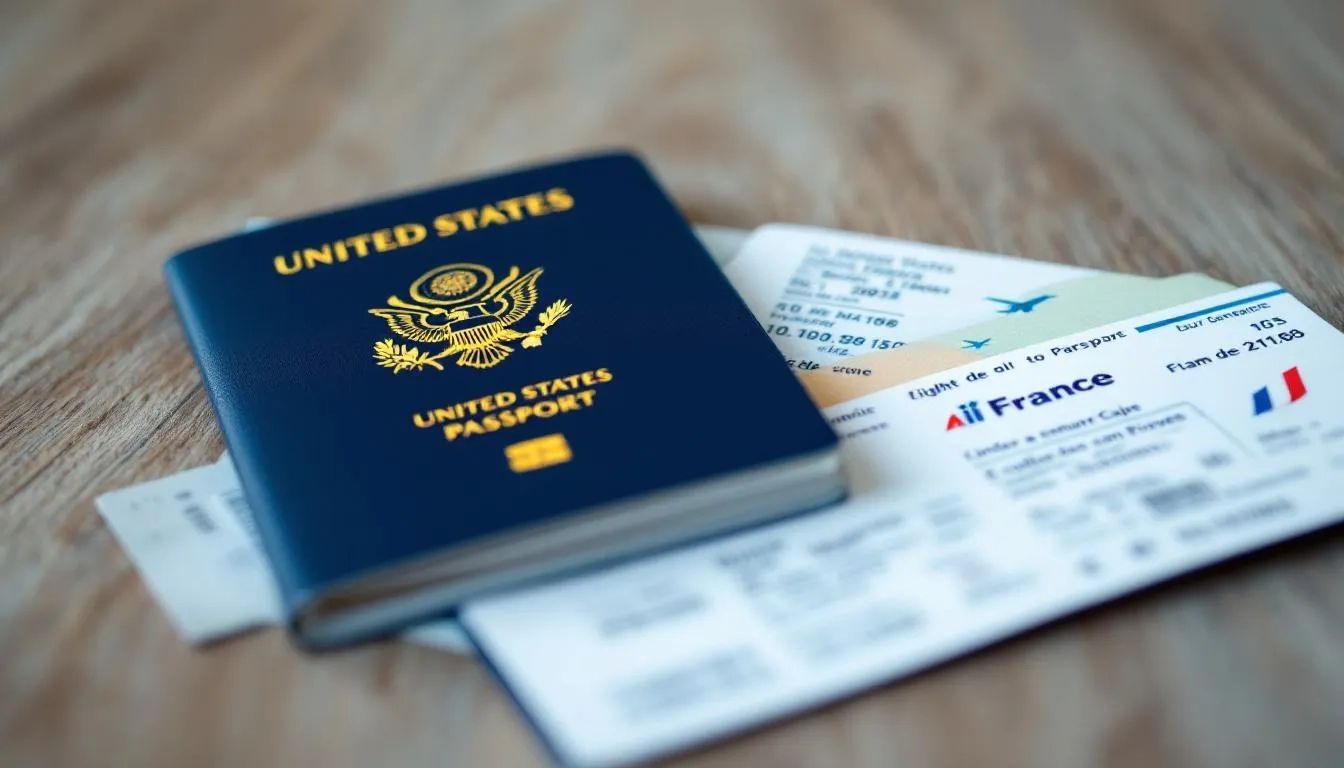
A flight itinerary is a document showing your proposed flight details: departure city, destination, dates, and flight numbers, without you having purchased the ticket yet. Embassies accept these as proof you've planned your trip and intend to return home after your visit.
Consulates want itineraries for three practical reasons. They prove you have concrete travel intent rather than vague plans to "maybe visit someday." The dates let visa officers confirm your requested visa duration matches your actual trip length. And requiring documentation filters out applicants who haven't thought through basic logistics.
Here's what a flight itinerary is not: it is not a confirmed airline booking and cannot be used to board a flight. It is supporting documentation for your visa application only. Understanding the difference between a flight itinerary and a confirmed booking prevents confusion when embassies use terms like "reservation" and "itinerary" interchangeably on their websites.
Some embassies accept itineraries for visa applications, while others demand confirmed PNR bookings, particularly for certain US, UK, and Canadian visa categories. Always verify your specific embassy's current requirements before ordering any document.
How to Get a Flight Itinerary Without Paying: Free Option #1 — Airline Hold Services
Several major airlines let you reserve a seat without immediate payment. Lufthansa, Emirates, and British Airways offer hold services where you start the booking process, select "hold my fare" instead of paying, and receive a PNR confirmation code.
The process feels straightforward. You search for your desired flights, proceed to the payment page, choose the hold option, and get a reservation reference you can print or screenshot. You now have a document with flight details and a PNR that shows as active in the airline's system.
Here's the catch that trips up most visa applicants: these holds expire in 24 to 72 hours. Your Schengen visa takes a minimum of 15 calendar days to process. Your US B1/B2 visa might take weeks or months, depending on interview scheduling and administrative processing.
This option works well if your visa appointment is only a few days out, your embassy offers express processing, or your embassy accepts screenshot documentation without verifying live PNRs during review. It fails when you're on a standard processing timeline and the consulate verifies reservations mid-process. An expired PNR looks identical to a cancelled reservation, which signals to visa officers that your travel plans changed or weren't serious to begin with.
Free Option #2: Fully Refundable Tickets (The 24-Hour Loophole)
US Department of Transportation regulations require airlines to allow a full refund if you cancel within 24 hours of booking, but only under specific conditions: your ticket must be booked at least 7 days before the flight's scheduled departure, and the rule applies to tickets bought directly from the airline, or through a foreign airline, for travel to or from the United States, not to bookings made through third-party sites like Expedia or Kayak.[1] If your visa appointment is close and you'd be booking less than a week out, this option likely doesn't apply to you at all. Check the timing carefully before relying on it.
The process, when it does apply: book a fully refundable ticket directly with the airline, download the confirmation and itinerary documents, submit them with your visa application, then cancel within 24 hours for a complete refund. You get official airline documentation without permanently spending money.
Why this stresses people out becomes obvious when you think through the mechanics. You're fronting several hundred to over a thousand dollars temporarily, depending on your route. If you miss the 24-hour cancellation window because of time zones or weekend processing delays, or if your booking didn't actually qualify under the 7-day rule, you own that ticket. Your credit card or bank account needs enough headroom to cover the temporary hold.
Some visa officers have reported noticing this pattern, particularly when applicants submit refundable bookings that look identical across multiple applications, though embassies don't publish specifics on how closely this gets scrutinized. The whole process requires careful calendar management that adds stress to an already anxious visa application experience.
This works in theory, when the timing and booking method line up. In practice, most applicants find the risk-reward calculation uncomfortable.
Free Option #3: Travel Agents and 'Courtesy Holds'

The old-school method involves asking a travel agent to generate a courtesy itinerary for your visa application. A generation ago, this was standard practice: agents would print official-looking itineraries as a customer service gesture, expecting you'd book through them after visa approval.
Reality check: online travel agencies like Expedia, Kayak, and Booking.com don't offer this service. Their systems don't support generating itineraries without completed transactions. The automated booking flow has no "courtesy hold for visa applicant" option.
Local brick-and-mortar travel agencies might still do this if you have an existing relationship or present yourself as a credible future customer. The agent needs to believe you'll come back to book actual tickets rather than taking the free document and disappearing.
Geographic patterns matter here. This practice remains more common in South Asia, the Middle East, and parts of Europe, where personal relationships with travel agents are normal. In North America and fully digitalized markets, finding an agent willing to do this has become difficult.
There's also an ethical gray area. Some agents charge nominal fees, roughly $5 to $20, for the service. Others make it clear they expect your business later. Walking away after getting a courtesy hold without booking feels uncomfortable to most people, which is partly why agents offer the service in the first place.
Why Free Options Fail Most Visa Applicants
The fundamental problem is a timing mismatch. Free airline holds expire in 24 to 72 hours. PNR-based reservation systems weren't designed to support multi-week visa processing timelines.
Schengen visas take 15 calendar days minimum, often stretching to 30 or 45 days during peak season. US B1/B2 tourist visas involve interview scheduling that can push weeks out, then additional administrative processing time. UK Standard Visitor visa processing averages three weeks. Canadian visa timelines vary widely by application type and your country of residence.
Embassy verification creates the second failure point. Consulates don't just glance at your itinerary during the initial document check; visa officers often verify reservations mid-process as part of their review. When they click your PNR link or call the airline to verify, an expired hold looks identical to a cancelled booking.
Some embassies automatically reject applications with expired or unverifiable reservations. Others send requests for updated documentation, which delays your application and sometimes requires resubmitting fee payments. The stress of watching your free hold expire while your application sits in processing creates anxiety that most applicants don't anticipate.
The free options above genuinely work when your timeline is short: express or expedited visa appointments, fast-track processing for your nationality, or an embassy that explicitly states it doesn't verify live PNRs. Outside those narrow windows, the timing mismatch usually catches up with you.
Get a QR-verified flight itinerary that stays live throughout visa processing for $15, delivered within minutes.
How to Get a Flight Itinerary Without Paying Full Price: Paid Services
Paid flight itinerary services generate verifiable documents within minutes, no airline booking required. Prices vary for a reservation record that includes a PNR, passenger details, and flight segments formatted exactly as embassies expect. Get Itinerary goes one step further: every document includes a QR code that links to a live reservation portal, giving consular officers instant verification.
Here's what you need to understand before you pay. These documents are NOT confirmed bookings. You cannot use them to board a flight or check into a hotel. They exist solely for visa application purposes. The QR verification stays live throughout your visa processing window, then expires 24 hours before your stated travel date: plenty of time for embassy review, but not indefinite.
Most PNR-based services create airline holds that vanish in 24 to 72 hours. Get Itinerary's QR-verified records remain active for weeks or months, depending on your travel date. That distinction matters when applying for a Schengen visa with multi-week processing times, or when consulates request additional documentation mid-review.
The trade-off is that you're paying for convenience and compliance, not travel itself. Budget airlines sometimes offer 24-hour free holds, but those rarely generate the stamped itineraries embassies require. Paid services bridge that gap: you get embassy-ready proof of travel intent without risking hundreds on a nonrefundable ticket before your visa decision arrives.
Which Embassies Accept Flight Itineraries vs. Confirmed Tickets

The general pattern: Schengen member states, UK, Canada, and Australia typically accept flight itineraries rather than demanding confirmed tickets. Their official visa guidelines explicitly state "proof of travel arrangements" or "flight reservation," which means itineraries qualify.
The French consulate in New York, German consulates across the US, and Spanish visa application centers all accept flight itineraries at the Type C short-stay visa application stage. UK Visas and Immigration guidance explicitly states that onward travel documentation can be an itinerary rather than a confirmed booking.
US visa requirements sit in a gray area. The official guidance accepts itineraries, but individual consular officers have discretion, and some applicants have described being asked at B1/B2 interviews why they haven't booked confirmed flights yet. There's no written rule requiring confirmed tickets, but officer discretion means outcomes can vary.
Some embassies, particularly for certain US, UK, and Canadian visa categories, do require confirmed airline bookings with real PNRs. Always check your specific embassy's current requirements before ordering any document. What works for a Schengen tourist visa may not satisfy requirements for other visa types or consulates.
How to check for your specific situation: start with the embassy website's official visa application checklist. Look for exact wording around flight documentation. If it says "confirmed ticket" or "purchased ticket," take that literally. If it says "itinerary," "reservation," or "proof of travel plans," you're clear to use an itinerary.
Consult the visa service centers in your country if the embassy's language feels ambiguous. VFS Global, TLScontact, and similar authorized application centers see thousands of applications and know exactly what each consulate accepts. When in doubt, email the consulate directly with your specific question. Responses become documentation you can reference if issues arise.
Step-by-Step: How to Get a Flight Itinerary Without Paying Full Ticket Price
Step 1: Check your embassy's exact requirements. Visit the official consulate website and locate the visa application document checklist. Screenshot or save the section covering flight documentation so you have proof of what they requested. For the most current requirements, check your destination country's official visa application portal or authorized visa service center.
Step 2: Match your solution to your processing timeline. If your visa process takes three to five days or you have an express appointment, airline holds or 24-hour refundable tickets might work, provided you meet the 7-day advance booking requirement for the refund rule. For standard timelines of 15 days or longer, use a paid service with extended validity.
Step 3: Generate or order your itinerary. For paid services, Get Itinerary delivers QR-verified documents within minutes that stay live throughout processing, unlike PNR-based services that expire in 24 to 72 hours. For free options, complete the airline hold process or travel agent request immediately.
Step 4: Download and save all confirmation documents. Save PDF copies to multiple locations. Print physical copies for your application. Keep all confirmation emails in a dedicated folder.
Step 5: Verify dates match your visa application. The most common mistake is listing a return date that falls before your requested visa expiry date, which creates logical conflicts in your application. Your planned departure date should fall within your visa validity period.
Step 6: Verify the document works before submitting. If using Get Itinerary, scan the QR code and confirm the reservation portal loads with your details. If using a PNR, verify the code works on the airline's "manage booking" page. Test before you submit to catch any issues.
Final reminder: book your actual flights only after visa approval arrives. The itinerary is documentation of intent, not a commitment to specific flights that might not align with your actual approved visa dates.
Skip the stress of expired PNRs, get your flight itinerary with hotel reservation for $25, QR-verified and valid throughout visa processing.
Frequently Asked Questions
Can I get a flight itinerary for free?
Yes, you can get free flight itineraries through airline hold services, 24-hour refundable ticket bookings, or travel agent courtesy holds. The challenge is that most free options expire in 24 to 72 hours, which is far too short for typical visa processing timelines that take two to four weeks or longer.
Airline holds from Lufthansa, Emirates, and British Airways work well if you have an expedited visa appointment or express processing that will be completed within 48 hours. The 24-hour refundable ticket method works in theory, but only if you book at least 7 days before departure directly with the airline, and it requires fronting a meaningful amount of money temporarily while managing a tight cancellation deadline. Travel agent courtesy holds have become rare outside certain geographic markets and often come with expectations that you'll book through them later.
Most applicants find that free options create more stress than they're worth when processing timelines extend beyond a few days. The risk of expired documentation leading to visa rejection or requests for updated documents outweighs the savings for many people.
Is it illegal to use a dummy ticket for a visa?
No, using a flight itinerary or dummy ticket for visa applications is completely legal and explicitly accepted by most embassies. Consulates understand that applicants cannot reasonably commit to nonrefundable international tickets before knowing whether their visa will be approved.
The key requirement is that your itinerary document must be genuine and verifiable during the visa processing period. If an embassy verifies your reservation and finds it active in the airline or service provider's system, you've met their proof of onward travel documentation requirement. What embassies reject are fraudulent documents, fabricated itineraries with fake PNRs that don't correspond to any real reservation.
Schengen member states, the UK, Canada, and Australia have official guidance explicitly stating that flight itineraries rather than confirmed tickets are acceptable at the application stage. The term "dummy ticket" sometimes carries negative connotations, but it simply refers to a verifiable reservation without full payment, exactly what visa guidelines request as proof of travel intent.
How long does a flight itinerary stay valid?
Validity periods vary dramatically depending on the type of service you use. Airline hold reservations typically expire in 24 to 72 hours. These are designed for customers deciding whether to purchase, not for extended visa processing. Most PNR-based services also expire within this same window because they rely on temporary airline reservation systems.
QR-verified services like Get Itinerary stay valid up to 24 hours before your stated travel dates, which means the document covers the entire visa processing period. If you're applying for a Schengen Type C visa that takes 15 to 30 calendar days to process and your planned travel date is two months away, the itinerary remains verifiable throughout that entire window.
This extended validity matters because many embassies verify reservations mid-process rather than just at initial submission. When a visa officer checks your itinerary three weeks into processing, an expired PNR appears identical to a cancelled booking. A QR-verified document that's still active demonstrates your travel plans remain consistent, which strengthens your application credibility and eliminates the risk of rejection due to unverifiable documentation.
Related Reading
- Flight Itinerary vs Booking vs Reservation: What Embassies Actually Want, see the differences between the different options and what they really mean
- How to Get a Flight Reservation for Your Visa, a how-to guide to get your flight reservation and get your paperwork in order
- What Is a Hotel Reservation for a Visa Application?, complete your visa application package with a hotel reservation